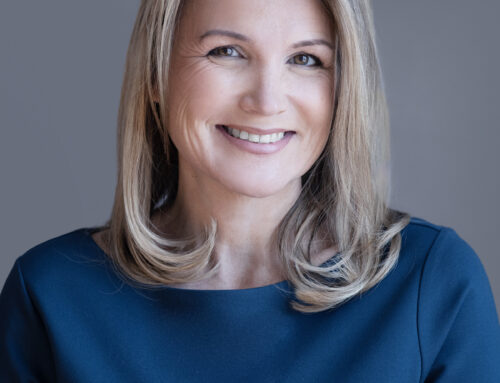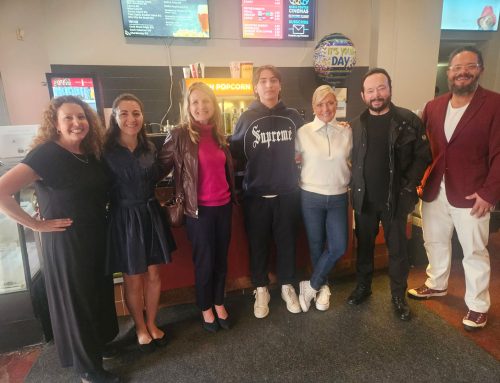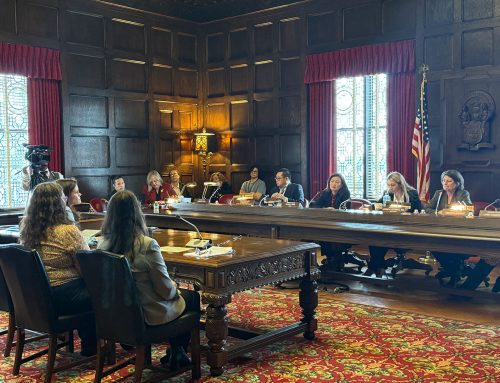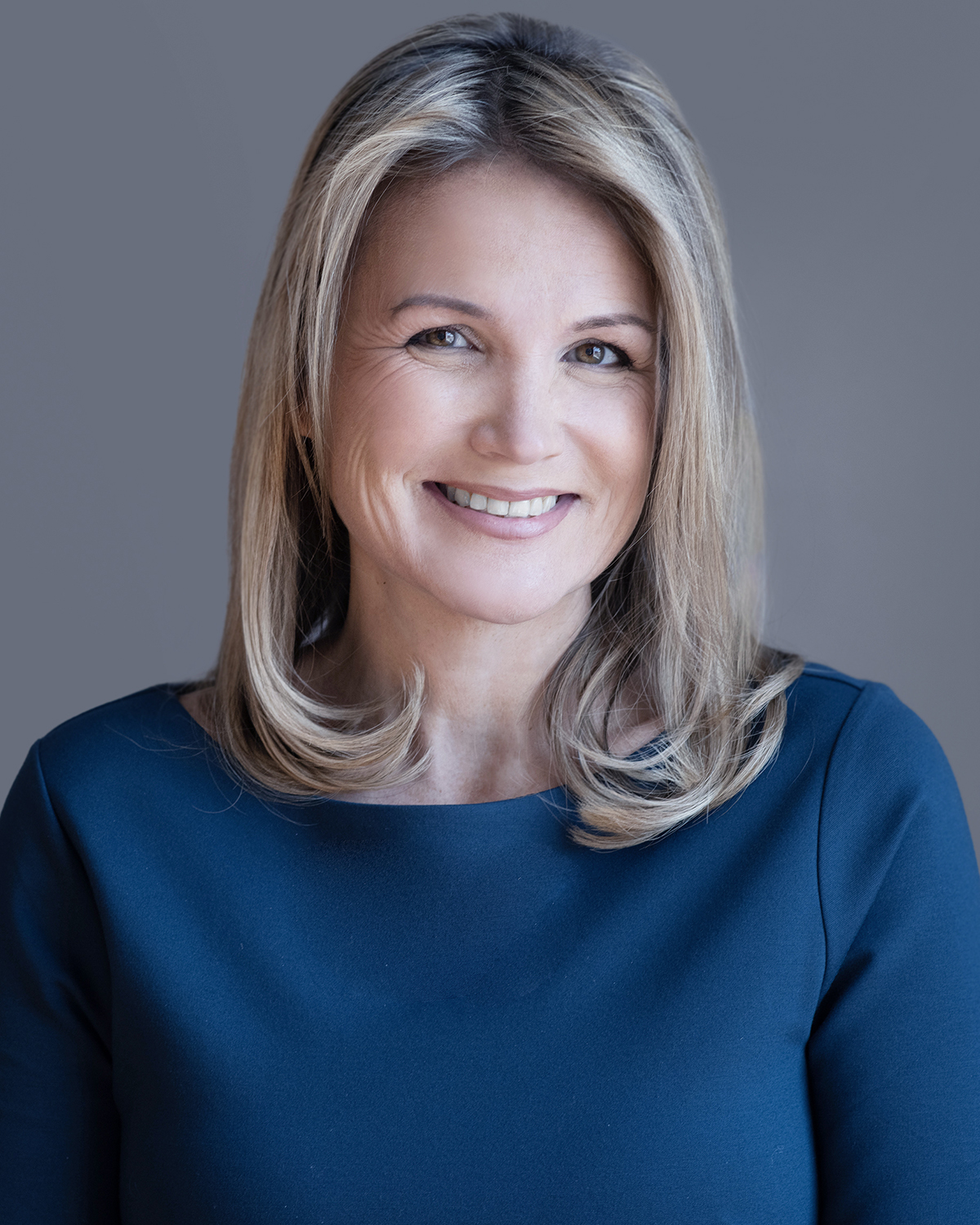
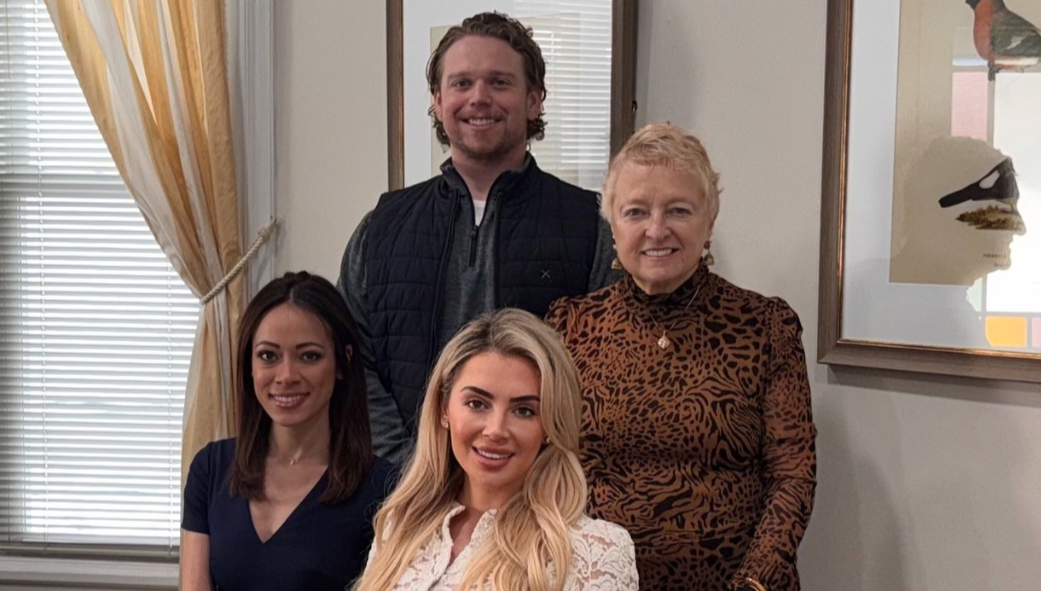
Members of 180 Turning Lives Around’s Survivor Advisory Board pictured (back row, left to right): Nicholas Steele and Janice Miller; (front row, left to right): Ashley Reid and Amanda Cruz. Not pictured: Courtney Gilmartin.
At 180 Turning Lives Around, survivor voices guide the work every day.
Through the Survivor Advisory Board, individuals with lived experience of domestic or sexual violence partner directly with 180 leadership to inform programs, initiatives, and community engagement. Established last year, the board ensures survivor perspectives actively inform how the organization listens, learns, and evolves.
“The Survivor Board is special because every member brings lived experience as a survivor of domestic violence,” said Nicholas Steele, Co-Chair of the Survivor Advisory Board. “Each of us has chosen to use those experiences not as negatively defining moments, but as a source of insight, strength, and advocacy.”
Survivor Insight in Action
The Survivor Advisory Board is made up of individuals who previously participated in 180’s programs and services. Members meet monthly and serve in an advisory capacity, offering feedback on programs, communications, and new initiatives, sharing impact stories with the community, and ensuring that 180’s work remains survivor-centered and trauma-informed.
Current members of the Survivor Advisory Board bring diverse perspectives and lived experience to the organization:
- Ashley Reid – Co-Chair
- Nicholas Steele – Co-Chair
- Janice Miller – Founding Member of 180 Turning Lives Around
- Amanda Cruz – Member
- Courtney Gilmartin – Member
“The Board plays an important role in ensuring that 180’s work remains survivor-centered and trauma-informed,” Steele said. “Our voices help reinforce the organization’s mission by offering hope, guidance, and reassurance to those who may be taking the difficult first step of asking for help—reminding them that they are not alone.”
Ashley Reid, Co-Chair of the Survivor Advisory Board, emphasized the importance of survivor insight in shaping effective support systems.
“The addition of the Survivor Board is special because it represents 180’s dedication to their mission of being as thoughtful and informed as possible in order to best support the healing journey of survivors of domestic violence and sexual assault,” Reid said. “Having Survivor Board insight into our programs, processes, and resources ensures that our survivors and their families are being supported in the most empathetic and effective fashion possible.”
Board members provide a perspective that cannot be replicated without lived experience — helping 180 consider how survivors may experience programs, services, and outreach, and offering recommendations to strengthen accessibility, impact, and trust.
“Our role is to consider how survivors may experience or interpret well-intended efforts,” Steele said. “To offer feedback, adjustments, or recommendations that strengthen impact and accessibility, while ensuring survivor voices remain meaningfully integrated into the organization’s work.”
From Lived Experience to Shared Leadership
For board members, participation is deeply personal and deeply purposeful.
“I decided to join the Survivors Board because I didn’t want my experience to define me in a negative way,” Steele said. “Instead, I wanted to use it to create something positive; to help others feel supported, empowered, and understood during some of the most difficult moments of their lives.”
Reid shared a similar motivation, rooted in community impact and generational change.
“It’s important to me to help those who have been affected by the unwanted actions of another, who are seeking a healthier, safer life for themselves and their families,” Reid said. “Knowing that we can take our collective experiences to make a difference for even one survivor and their children, and understanding what that trickle-down effect means for future generations, is both immensely meaningful and fulfilling.”
A Legacy of Survivor Leadership
The belief in survivor leadership is not new to 180 Turning Lives Around.
Founded in 1976 as the Women’s Resource and Survival Center, the organization has a long history of innovation and survivor-driven advocacy, including becoming the first federally funded domestic violence shelter in the United States and establishing Monmouth County’s first rape hotline.
Janice Miller, Esq., a Survivor Advisory Board member and founding leader of 180, has been part of that journey for nearly five decades.
“I am a member of the Survivor Advisory Board, which was established last spring, and we are working very hard to develop our roles,” Miller said. “Our goal is to bring awareness to our board, our community, and beyond, of what domestic violence really is. It can be a child, a girlfriend, a boyfriend, an elder—it affects people of all genders and backgrounds.”
Drawing on her decades of experience, Miller emphasized why survivor leadership remains essential, even as laws, systems, and services evolve.
“If we don’t keep survivor voices at the center, we risk losing sight of what people actually experience when they ask for help,” she said. “Programs can look good on paper, but survivors are the ones who know what feels safe, what feels accessible, and what still creates barriers. That perspective is irreplaceable.”
For Miller, the Survivor Advisory Board represents both continuity and forward momentum.
“I want victims to know that they can become survivors,” she said. “The Board exists to lead by example and to remind people that reaching out for help can be the beginning of a safer, more empowered chapter.”
Improving Care Through Survivor Partnership
Today, the Survivor Advisory Board continues that legacy by working collaboratively with 180 leadership to better the survivor experience, from raising awareness to enhancing programming and sharing lived insight that helps the organization evolve.
“The Survivor Board works to empower our community and amplify what’s possible for survivors hopeful for a peaceful, healthy, secure life,” Reid said. “Survivors do not have to live in shame. Their experiences don’t define them, and they will always have a community ready to support them at 180.”
Steele echoed that sense of purpose.
“The Survivors Board exists as a beacon of hope,” he said. “We are here to show that this does not have to be the end. Support is available, and while asking for help is often the most difficult step, it can also be the first step toward healing and stability.”
Keeping Survivor Voices at the Center
For 180 Turning Lives Around, embedding survivor voices into its work reflects a broader organizational commitment to trust, dignity, and healing.
“Survivor-informed work is an ongoing commitment,” said Liz Graham, CEO of 180 Turning Lives Around. “The Survivor Advisory Board ensures that our programs, services, and decisions are grounded in lived experience, compassion, and respect. Their voices strengthen our work and help us better serve every individual who turns to 180 for support.”
As the organization continues to grow and evolve, the Survivor Advisory Board remains a vital part of ensuring that 180’s work is informed by both best practices and the people it exists to serve.
About 180 Turning Lives Around
180 Turning Lives Around empowers survivors and families affected by domestic violence, sexual assault, and other traumas. We help survivors of all ages find the strength to heal, rebuild, and turn their lives around. Our programs include safe housing, counseling, advocacy, and 24/7 helplines designed to support survivors on every step of their healing journey.